Braille Signages in India: Importance, Accessibility Benefits & Essential Standards
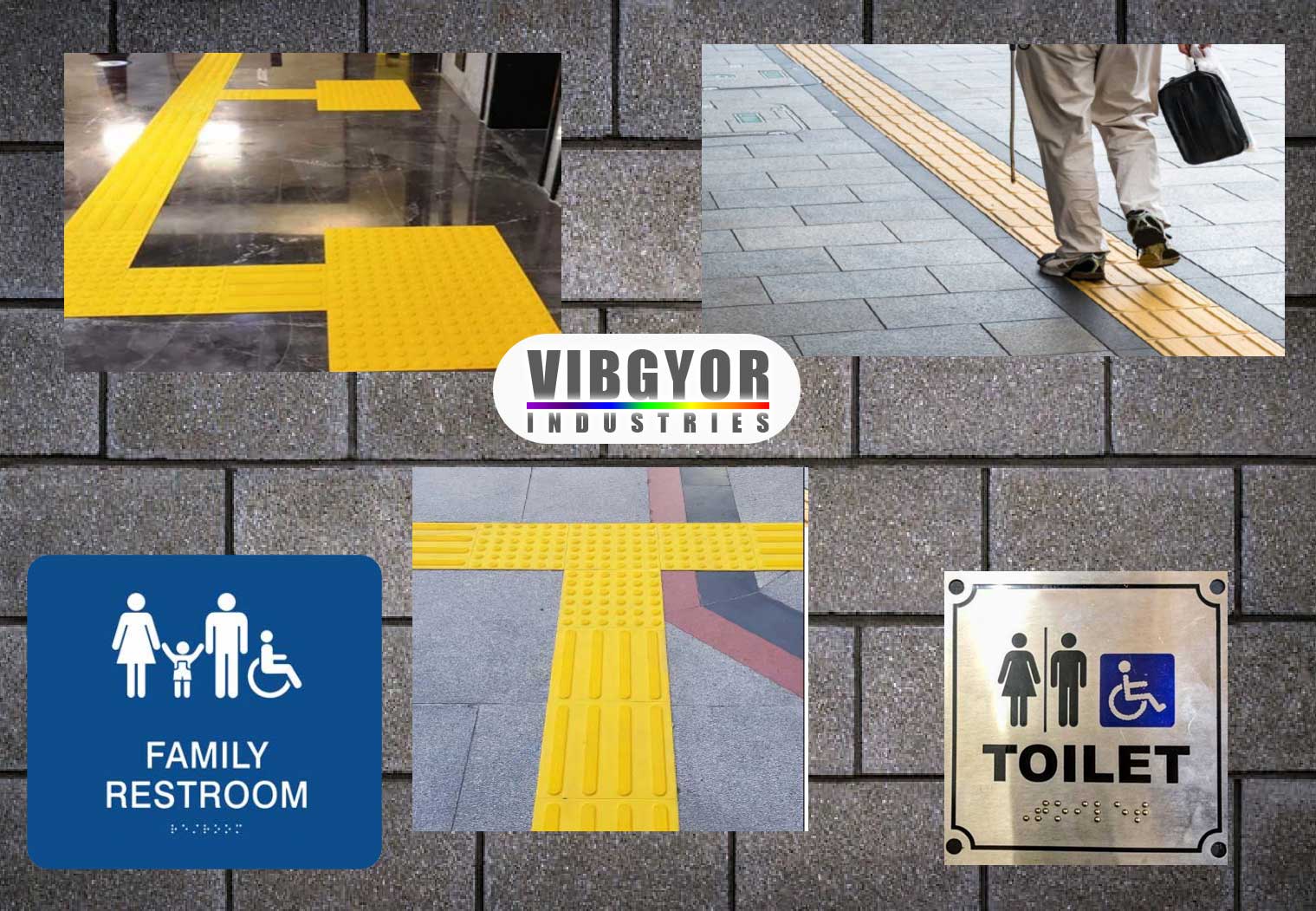
Creating an inclusive and barrier-free environment is no longer just a choice—it is a duty that every public space must copyright. One of the primary ways to ensure equal access for individuals with visual impairments is through tactile Braille signs. In recent years, the demand for durable, accurate tactile sign boards has grown rapidly, making the selection of the right Braille signage manufacturer in India increasingly important.
Why Braille Signages Are Important in Public Buildings in India
Public facilities including hospitals, airports, metro stations, schools, and offices are meant to serve all citizens. However, for millions of visually impaired individuals, navigating these areas independently can be difficult without proper tactile guidance.
Braille signages play a critical role by offering:
1. Independent Navigation
Through well-placed tactile indicators, users can navigate safely and confidently in unfamiliar areas.
2. Compliance With Accessibility Laws
The Rights of Persons with Disabilities (RPwD) Act, 2016, and the Harmonised Guidelines mandate that all public buildings ensure accessibility.
3. Enhanced Safety in Public Spaces
Tactile accuracy helps prevent confusion, accidents, and dependency, especially in complex environments like transport terminals or large offices.
4. Support for Inclusive Development
As India advances under the Smart Cities Mission, inclusion has become a central focus—and Braille signage plays a crucial role in that journey.
Ways Braille Sign Boards Empower Visually Impaired Individuals
Beyond identification, Braille sign boards act as essential communication aids for visually impaired users.
Here’s how they directly improve accessibility:
? Provide Clear, Touch-Readable Information – Raised dots and tactile alphabets enable users to quickly recognise rooms, directions, and other areas.
? Reduce the Need for Assistance – Clear tactile guidance allows users to move freely without depending on external support.
? Improve Dignity and Confidence – Freedom of movement promotes confidence and preserves personal dignity.
? Enable Better Orientation in New Spaces – In unfamiliar environments like hospitals or corporate offices, Braille signs help users develop a mental map of their surroundings.
Hence, selecting a trusted Braille signage manufacturer in India becomes essential for quality and compliance.
Standards and Guidelines for Braille Signage in India
India has established clear standards to make Braille and tactile signs consistent, durable, and readable. The most recognised include:
1. IS 16900: Indian Standards for Tactile/Braille Signage
This standard specifies:
? Uniform dot patterns for accurate readability
? Font size for raised letters
? Grade 1 Braille consistency across signage
? Placement height between 1200–1500 mm from floor level
? Contrast and Braille Sign Boards manufacturer in India lighting guidelines for clear visibility
? Material strength and resistance
2. Harmonised Guidelines for Accessibility (CPWD / MoHUA)
These guidelines require:
? Installation of tactile signage at key decision and entry points
? Standardised placement on every floor
? Tactile signage on doors, handrails, and entrances
? Use of tactile-friendly, durable materials
3. RPwD Act Compliance
Compliance with the RPwD Act ensures equal accessibility in both public and private spaces.
Wrapping Up
In India’s journey toward inclusivity, Braille signages represent empowerment, equality, and respect for all. They empower visually impaired individuals with independence, confidence, and safety, while ensuring buildings meet national standards.
Partnering with certified Braille signage manufacturers guarantees long-lasting, compliant, and user-friendly designs. With proper implementation, the nation can build spaces that are safe, welcoming, and empowering for every citizen.